
Nuts
Whole
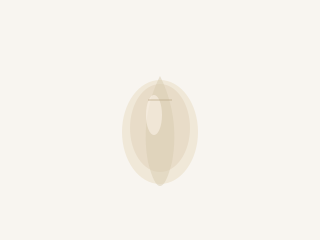
Whole ginkgo nut means the intact harvested product of the seed of Ginkgo biloba, eaten cooked in East Asian cuisine as traded in-shell or as unbroken shelled units. Buying whole gives control over roasting and grind size compared with pre-ground meal of unknown age. When cracked fresh, flavour should be soft, mildly sweet-resinous when cooked, with a distinctive ginkgo aroma. Geographic story: China, with long culinary and cultural use in Japan and Korea as well. Kitchen uses include Japanese chawanmushi, Chinese congee and banquet dishes, and Korean snacks, always cooked in limited portions. Handling: remove outer flesh carefully (irritant), shell, and cook; limit quantity because of ginkgotoxin concerns especially for children. Storage: fresh seasonal; canned and frozen cooked nuts are common commercial forms. Cook thoroughly and serve in modest amounts; outer fruit pulp can irritate skin during processing. Allergen: specialty seed with food-safety portion guidance—not an unlimited trail mix nut. In comparison terms, a cooked delicacy nut, not a roasted cocktail almond substitute. Reject mouldy, insect-damaged, or paint-smelling lots before they enter pastry.
Track this ingredient
Cuts & parts
Characteristics
Preparations
Traits
Nutrition and pairings
Nutrition
Typical values per 100 g edible portion. Nutrient names open the reference page.
Nutrition Facts
Per 100 g edible portion
Amount per 100 g
- Total Fat 51.3 g
- Saturated Fat 7.34 g
- Trans Fat 0 g
- Monounsaturated Fat 26.5 g
- Polyunsaturated Fat 13.8 g
- Cholesterol 0 mg
- Sodium 4.93 mg
- Salt 0.01 g
- Total Carbohydrate 18.7 g
- Dietary Fibre 8.36 g
- Total Sugars 3.97 g
- Complex / starch 4.74 g
- Protein 18.9 g
- Water 3.91 g
- Energy 636 kcal
- Water 3.91 g
- Carbohydrates 18.7 g
- Protein 18.9 g
- Fat 51.3 g
- Saturated Fat 7.34 g
- Monounsaturated Fat 26.5 g
- Polyunsaturated Fat 13.8 g
- Omega-3 1.38 g
- Vitamins 83 mg
- Vitamin A 15 µg
- Vitamin B1 — Thiamine 0.21 mg
- Vitamin B2 — Riboflavin 0.15 mg
- Vitamin B3 — Niacin 2.02 mg
- Vitamin B6 0.15 mg
- Vitamin B7 — Biotin 14.7 µg
- Vitamin B9 — Folate 38.8 µg
- Vitamin C 2 mg
- Vitamin E 4.76 mg
- Vitamin K 4.7 µg
- Minerals 372 mg
- Major Minerals 371 mg
- Trace Minerals 1.5 mg
- Iron 1.5 mg
- Salt 0.01 g
Vitamins
vitamin-c: 2 · vitamin-a: 15 · vitamin-b1-thiamine: 0.21 · vitamin-b2-riboflavin: 0.15 · vitamin-b3-niacin: 2.02 · vitamin-b5-pantothenic-acid: 0.5 · vitamin-b6: 0.15 · vitamin-b7-biotin: 14.7 · vitamin-b9-folate: 38.8 · vitamin-e: 4.76 · vitamin-k: 4.7 ·
Minerals
Whole form averages edible parts as typically consumed.
History
Chinese culinary and medicinal traditions recorded ginkgo seed use.
Japanese cuisine adopted ginkgo nuts in savoury steamed and simmered dishes.
Canned and market ginkgo nuts supported urban East Asian cookery year-round.
Global Japanese and Chinese restaurants spread limited ginkgo-nut service worldwide.