
Processed
Tocopherol Powder Carrier
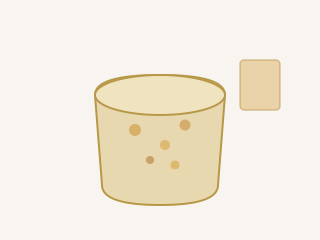
Tocopherol powder on carrier loads mixed tocopherols onto silica, starch, or other food carriers so dry seasoning blends, rubs, and powdered soups can receive lipid antioxidants without liquid oil metering. Activity is declared on a carrier-weight basis—check true tocopherol content. Free-flowing beige to tan powder should not smell paint-like. Distribute evenly; carrier clumps create unprotected fat pockets. Seal against humidity that can cake the carrier.
Track this ingredient
Characteristics
Preparations
Traits
Nutrition and pairings
Nutrition
Typical values per 100 g edible portion. Nutrient names open the reference page.
Nutrition Facts
Per 100 g edible portion
Amount per 100 g
- Total Fat 48 g
- Saturated Fat 6 g
- Trans Fat 0 g
- Monounsaturated Fat 12 g
- Polyunsaturated Fat 29.5 g
- Cholesterol 0 mg
- Sodium 8 mg
- Salt 0.02 g
- Total Carbohydrate 0 g
- Dietary Fibre 0 g
- Total Sugars 0 g
- Complex / starch 0 g
- Protein 0 g
- Water 1 g
- Energy 432 kcal
- Water 1 g
- Ash 50 g
- Fat 48 g
- Saturated Fat 6 g
- Monounsaturated Fat 12 g
- Polyunsaturated Fat 29.5 g
- Vitamins 35000 mg
- Vitamin E 35000 mg
- Minerals 28 mg
- Major Minerals 28 mg
Spray-dried tocopherols on a silicon dioxide or starch carrier for dry seasoning blends. This profile is a 50% tocopherol oil on silica: about 48 g fat (energy ~430 kcal), little starch if silica-based, vitamin E ~35000 mg/100 g—not a sweet powder. The other 50 g is silica, recorded as ash, and it adds no calories.
History
Carrier-deposited tocopherols enabled dry mix antioxidant dosing.
Seasoning houses adopted tocopherol powders for meat rubs and snack dusts.
Clean-label carriers expanded powder tocopherol use in natural snack lines.