
Processed
Encapsulated Ascorbic
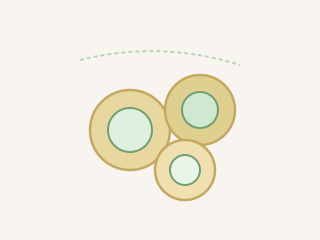
Encapsulated ascorbic acid protects the vitamin from early moisture, metal contact, and oxygen so it survives extrusion, dry mixes, and delayed meat-cure or bakery release. Fat or specialty coatings open with heat or shear at the intended process stage. Choose coating melt profile to match bake or cook temperature. Broken encapsulation behaves like free powder and may brown or lose potency early. Costlier—use when free acid fails shelf or process targets.
Track this ingredient
Characteristics
Preparations
Traits
Nutrition and pairings
Nutrition
Typical values per 100 g edible portion. Nutrient names open the reference page.
Nutrition Facts
Per 100 g edible portion
Amount per 100 g
- Total Fat 24.5 g
- Saturated Fat 21 g
- Trans Fat 0 g
- Monounsaturated Fat 2.5 g
- Polyunsaturated Fat 0.8 g
- Cholesterol 0 mg
- Sodium 4 mg
- Salt 0.01 g
- Total Carbohydrate 0 g
- Dietary Fibre 0 g
- Total Sugars 0 g
- Complex / starch 0 g
- Protein 0 g
- Water 0.3 g
- Energy 446 kcal
- Water 0.3 g
- Fat 24.5 g
- Saturated Fat 21 g
- Monounsaturated Fat 2.5 g
- Polyunsaturated Fat 0.8 g
- Vitamins 75001 mg
- Minerals 5 mg
- Major Minerals 5 mg
- Organic Acids 75 g
Fat-coated ascorbic acid for delayed release in meat cure and extruded cereals. About 25 g of hydrogenated vegetable fat supplies ~220 kcal. The core is 75 g of ascorbic acid (~75000 mg vitamin C per 100 g), an organic acid at 3 kcal/g, so the ingredient as weighed is about 446 kcal—not sugar, and not calories from the coating alone.
History
Fat-encapsulated ascorbic acid improved stability in dry mixes and cereals.
Encapsulated grades supported meat and bakery systems needing timed reducing power.
Advanced coatings refined release for high-heat snacks and long-shelf powders.